Golf Anxiety: Learning to Stay Calm, Focused, and Confident on the Course

Golf looks calm from the outside, but anyone who plays knows how loud it can feel on the inside. One missed putt, one bad drive, one memory of falling apart under pressure, and suddenly the body shifts. The grip tightens. The heart starts racing. The swing feels less natural. The mind starts jumping ahead to the score, the next hole, or what other people may be thinking.
Golf is not just a physical game. It is a mental game, an emotional game, and a nervous system game.
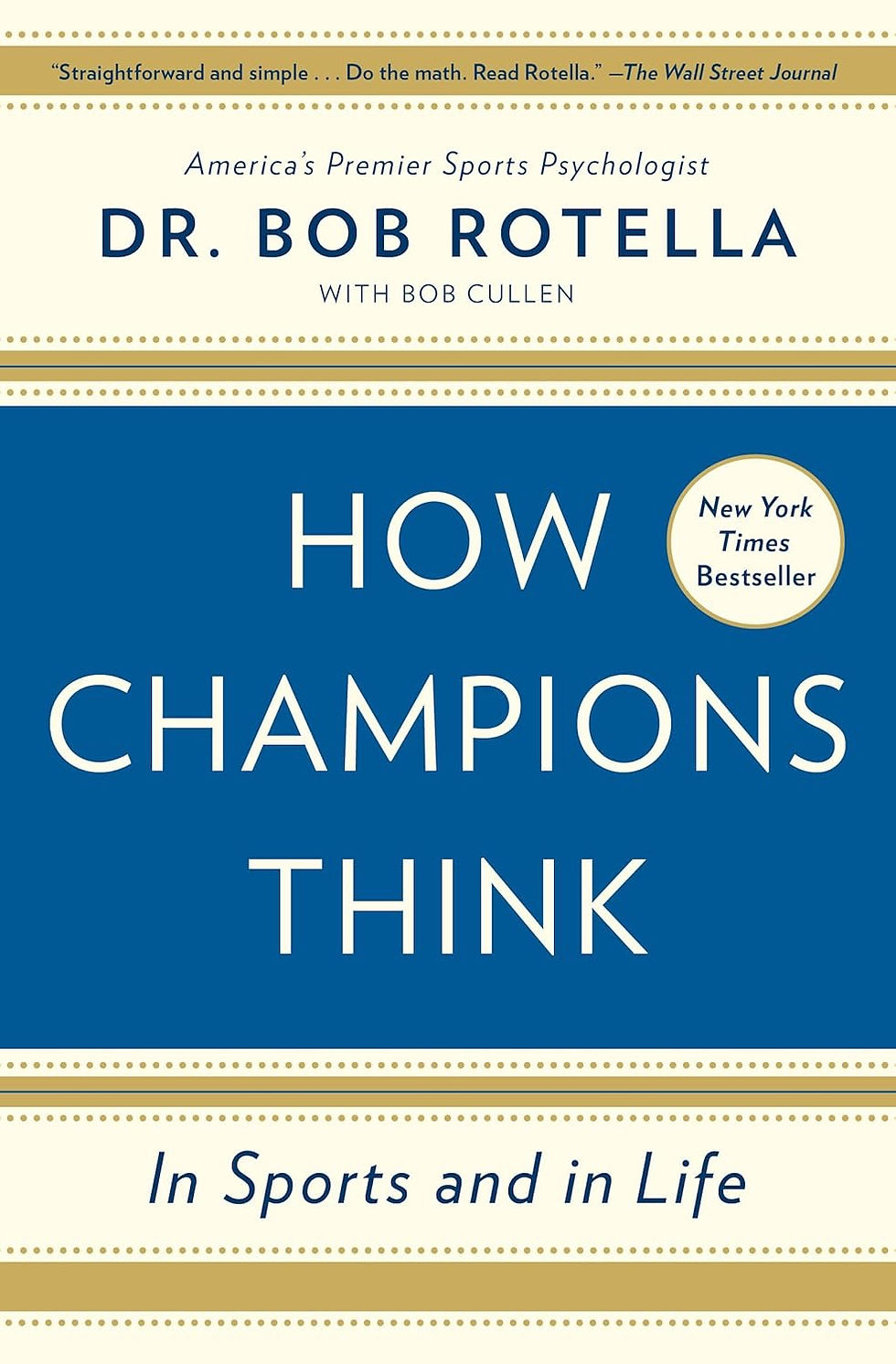
In How Champions Think, Bob Rotella writes, “You’re unstoppable if you’re unflappable.” That idea fits golf well because the goal is not to never feel pressure. The goal is to learn how to stay steady when pressure shows up.

Why Anxiety Shows Up in Golf
Golf anxiety is not weakness. It is often the body trying to protect you from failure, embarrassment, disappointment, or repeating a painful past experience on the course.
You may feel calm on the range but tense up on the first tee. You may play well for several holes and then start overthinking once you realize you are having a good round. You may know logically that one shot does not define you, but your body reacts as if it does.
That is anxiety.
And when anxiety takes over, it can affect everything: rhythm, feel, decision-making, confidence, and enjoyment.
At Be Well Collective, we often help clients understand that symptoms make sense. Your body is not trying to sabotage you. It is trying to protect you. The work is learning how to calm the nervous system so you can return to the present moment instead of getting pulled into fear.
Stop Trying to Play Perfect Golf
A lot of golfers become anxious because they are trying to avoid mistakes. But golf is not a game of perfection. Even great golfers miss shots, lose focus, and have rounds that do not go the way they planned.
The difference is not that confident golfers never struggle. It is that they recover faster.
Instead of letting one bad shot turn into a story about your whole game, try coming back to one simple question:
What is the next best shot?
That question matters because anxiety pulls you backward into regret or forward into fear. Your job is to keep returning to what is right in front of you.
Build a Routine Your Body Can Trust
A pre-shot routine is not just about mechanics. It is a way to give your nervous system something familiar to hold onto under pressure.
A good routine should be simple:
Choose your target.Take one slow breath.Soften your grip.Visualize the shot.Use one cue word like “smooth,” “steady,” or “commit.”Step in and swing.
The routine does not need to be complicated. In fact, it should not be. When anxiety is high, the brain does better with simple and repeatable.
Use Visualization Before Anxiety Takes Over
Visualization can be powerful, but it needs to be specific. Do not just imagine “playing well.” Picture the actual shot. See the ball flight. Feel your tempo. Imagine yourself staying steady even if you feel pressure.
This helps train the brain and body to experience success before the shot happens. It also gives your nervous system a map for what calm execution can feel like.
Before a difficult shot, pause and ask yourself:
What do I want my body to do here?
Then picture it. Feel it. Commit to it.
Watch How You Talk to Yourself
Many golfers think they need to be hard on themselves to get better. But constant criticism usually increases tension. The nervous system does not perform better when it feels threatened.
Instead of saying:
“I always mess this up.”“Don’t miss this.”“Here we go again.”
Try something more steady:
“One shot at a time.”“I can reset.”“My body knows this movement.”“Stay with the target.”“Commit and let go.”
This is not fake positivity. It is learning to speak to yourself in a way that keeps your system regulated and focused.
Learn to Reset After a Bad Shot
A bad shot does not have to ruin the round. What usually causes the spiral is what happens after the bad shot.
The replaying.The judging.The rushing.The tightening.The trying to fix everything at once.
A reset routine can help.
After a bad shot, pause. Take one slow breath. Name what happened without attacking yourself. Then shift your focus to the next decision.
You might say:
“That shot got away from me. I can reset.”“I tightened up. I need to breathe.”“The next shot matters more than the last one.”
This is how confidence gets rebuilt. Not by pretending the mistake did not happen, but by learning that you can recover.
When Golf Anxiety Is About More Than Golf
Sometimes anxiety on the course is not only about the game. Golf can bring up deeper patterns: perfectionism, fear of failure, shame, pressure to perform, people-pleasing, or memories of being criticized.
A golfer may know they are safe, but the body reacts as if something is at stake.
That is where therapy can help.
At Be Well Collective, we look at performance anxiety through a whole-person lens. We help clients understand what is happening in the nervous system, why certain patterns show up under pressure, and how to build new responses that support confidence, regulation, and performance.
Audrey Malone, LCSW, founder of Be Well Collective, specializes in performance psychology, trauma-informed care, nervous system regulation, and evidence-based approaches that support both healing and optimal performance. Her work helps athletes, professionals, and performers move beyond insight and build real tools for staying steady under pressure.
Getting Help for Golf Anxiety
Golf should challenge you, but it should not take away your confidence or enjoyment. If anxiety is affecting your swing, focus, decision-making, or ability to enjoy the game, support can help.
Therapy can help golfers:
Understand their anxiety responseIdentify performance triggersBuild nervous system regulation toolsStrengthen confidenceWork through past performance experiencesDevelop routines for focus and recoveryReturn to the game with more freedom and enjoyment
At Be Well Collective, we help clients work through anxiety, performance blocks, and the deeper patterns that can show up under pressure. Audrey Malone, LCSW, specializes in performance psychology and supports athletes, professionals, and high performers in building the mental, emotional, and nervous system tools needed to perform with more calm, clarity, and confidence.
Golf is a game of patience and precision, but it is also a game of regulation. With the right support, you can learn to quiet the noise, trust your body, and return to the game with more freedom and enjoyment.